Background
Educational animation is something we are often asked to create when working with charities. Through our TV broadcast work with Comic Relief and Sport Relief making appealing and challenging films, we were fortunate enough to be approached to work on a series of educational animations for the United Nations High Commissioner for Refugees (UNHCR).
Regional Project teams working in Sub-Saharan Africa needed new resources to show Eritrean and Ethiopian young people the associated dangers of trusting people smugglers to help them to travel to Europe.
The brief said resources would have to be provided in English and Arabic as well as one of the three Eritrean languages; Tigrinya.


Educational Animation Creative
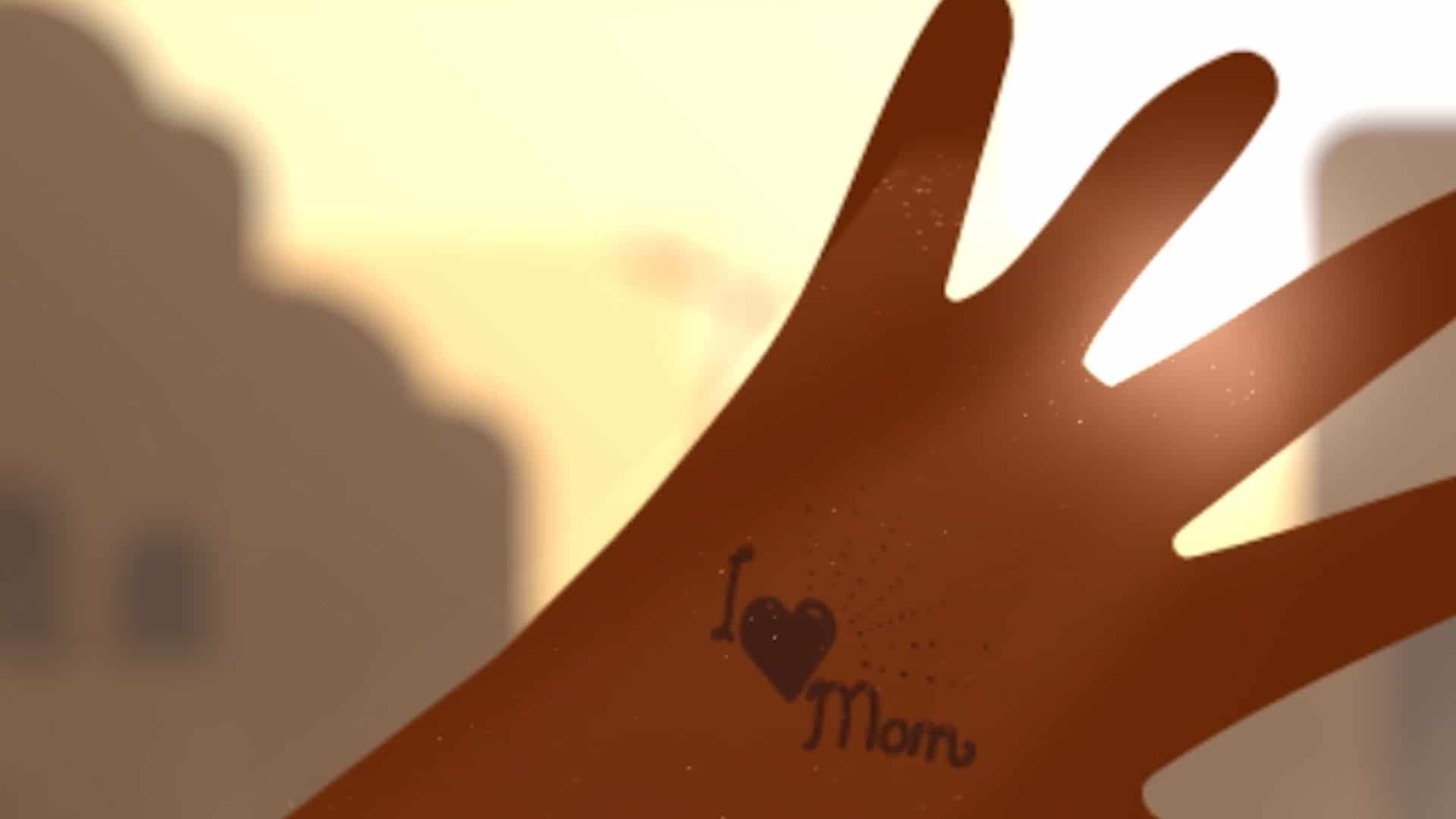
To create the resources, we were put in touch with a local team who runs the refugee camps in Niger. The UNHCR wanted to ensure the animation would be as authentic and believable as possible so we were given first-hand testimony from a teenage refugee. He explained how he was encouraged to make his journey from Eretria to Libya where he was eventually put in prison as an illegal immigrant. We used his story to create the script. Once this was signed off by the UNHCR team, we moved onto the storyboard stage. The visual motif for the animation was based around a tattoo he gave himself that said “I Love Mom” as she was the one person he thought about throughout his ordeal having not seen her for 3 years and this made his story relatable to other young refugees.
When it came to the voiceover, we needed to source a native-speaking Eritrean male who was of a similar age to the character in the animation. After some discussion, it was decided by the client, that we should record the voiceover in Stockholm as they had located a young Eritrean refugee in Sweden who had a very similar story to the character featured in the animation. The thinking was, that he could bring real empathy and authenticity to the voiceover. We sourced a voiceover studio in Stockholm and made arrangements with the local UNHCR representative to record the voiceover. We attended the voiceover recording session along with a translator who could ensure the script was read correctly. At the same time, the translator would identify every take so when we got the voiceover tracks back to the UK and ‘laid them back to the pictures, we were using the correct takes.
The end results were well received and these resources are in use in the region today, helping explain the dangers of people smuggling. From this commission, we were asked subsequently to work on and produce other resources for use in Sub-Saharan Africa.