Background
We were recently commissioned by the Electrical Industries Charity (EIC) to create a series of 15 mental health films based on real-life case studies.
The Electrical Industry, as a whole in the UK, is seeing an increase in mental health issues among its apprentices. And as part of the charity’s Apprentices Support Programme, we were tasked with producing bespoke content that would be used in a learning environment to help provide apprentices with a better understanding of some of the issues around mental health and to inform them of the mental health services offered by the charity which are free to access.
To help produce the content, the charity gave us real-life case studies, that they had dealt with over the past 18 months. The brief was to use this source material to create learning journeys based on the individual cases. Topics ranged from alcohol and drug misuse, sexual identity issues, dyslexia, sexual abuse, depression, homelessness, debt, and suicide.
Creative
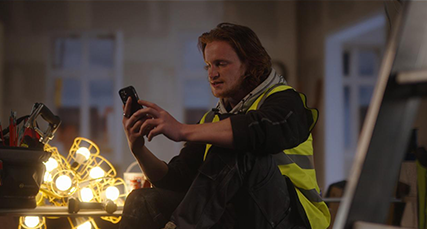
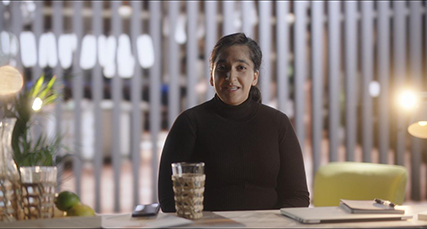
Due to the sensitive nature of the case studies, we didn’t think it was appropriate to feature the apprentices in their own stories. So, we went about casting a team of actors who could play the apprentices. We cast over 15 actors from across the UK ensuring regionally different accents as well as diversity in the casting. Then we began the process of writing the scripts to bring each of the case studies to life.
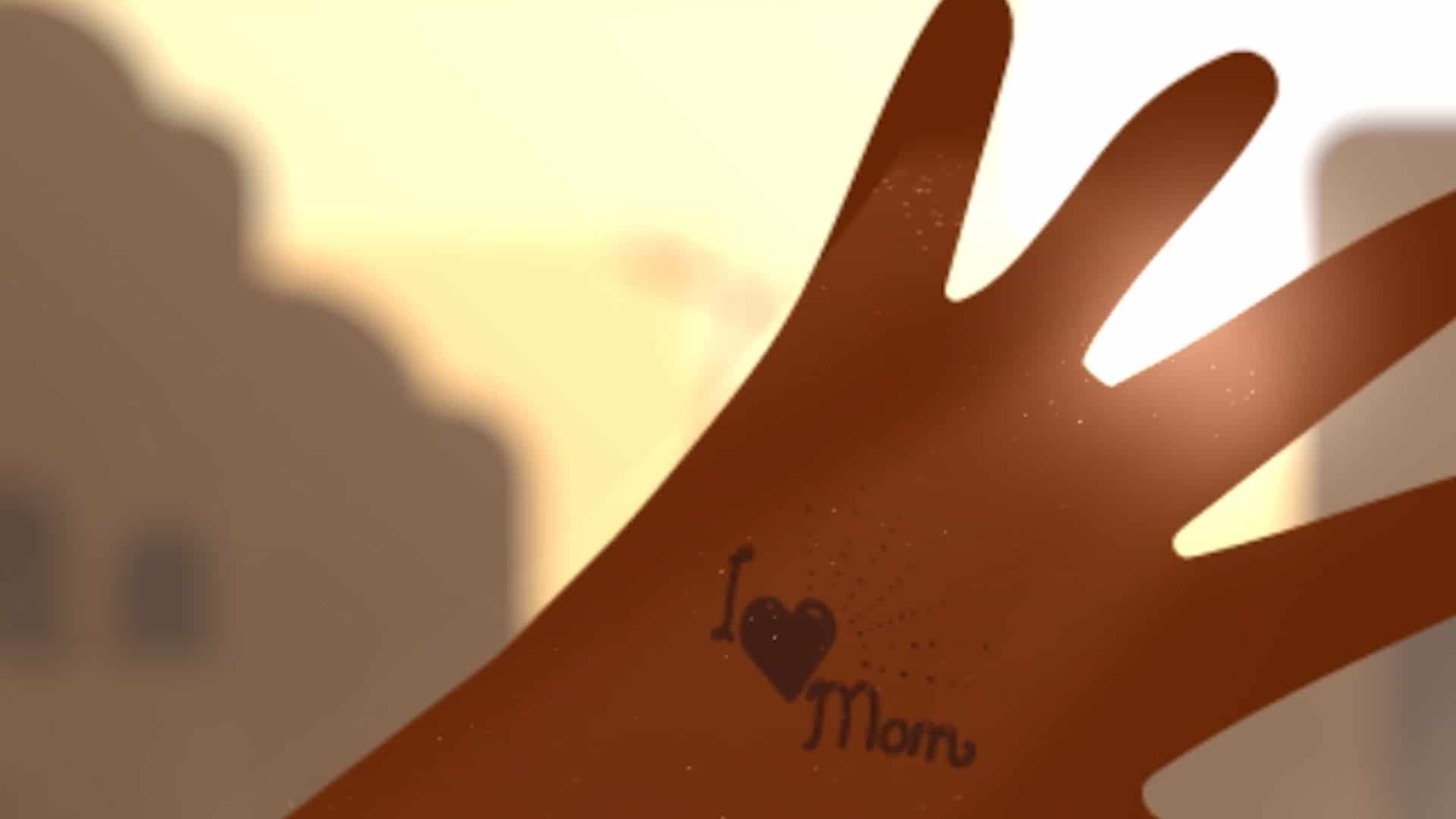
For the ‘grittier’ elements of the case studies, we decided to tell this part of the story in animation. Therefore, alongside the scripting of the live action scenes, we worked with our animation partners to create 15 animations that would be slotted into each of the films. Using animation allowed us greater flexibility and sensitivity in the story-telling.
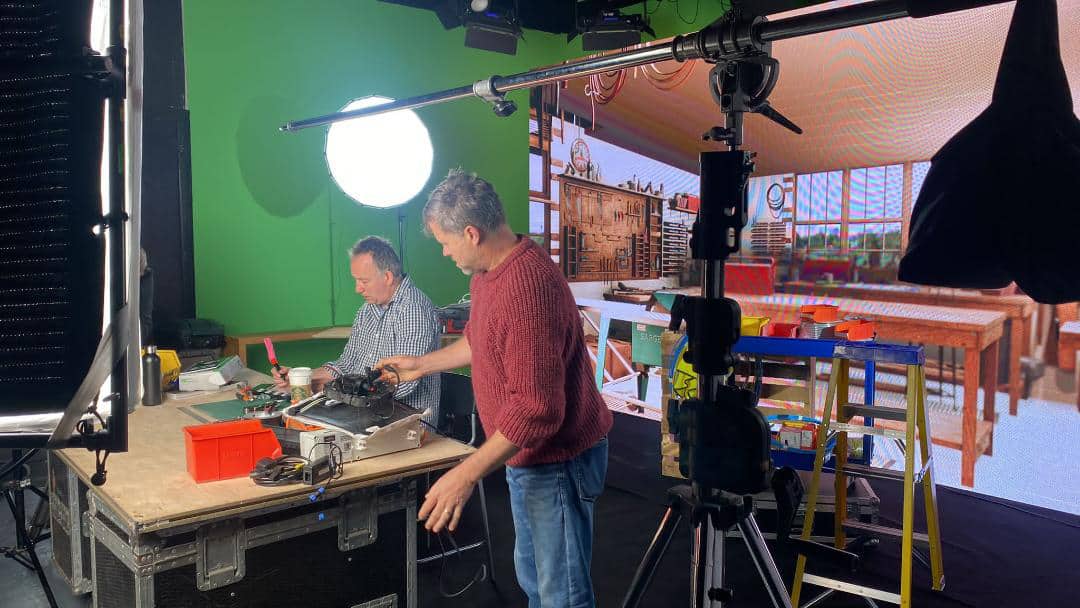
And as the charity wanted the filming to be set in various locations such as the workplace, homes and public spaces to give the films a real-life feel, we proposed to make the filming as budget friendly as possible and proposed to shoot all the case studies in a Virtual Reality (VR) setting. This effectively turned, what would have been an 8-12 day shoot into a 5 day one using a single studio location; saving time and money and provided excellent value for money.
Working with colleagues from the broadcast industry, we commissioned over 20 VR sets ranging from pubs, electrical sub stations, offices, coffee bar, interiors of houses, and factories to set all the action in.
The content we produced will be hosted on the Charity’s Learning Management System (LMS) with the charity providing the wrap around learning and knowledge checks based on the bespoke video and animation content we’ve produced.